
What Nigerian law says about digital assets
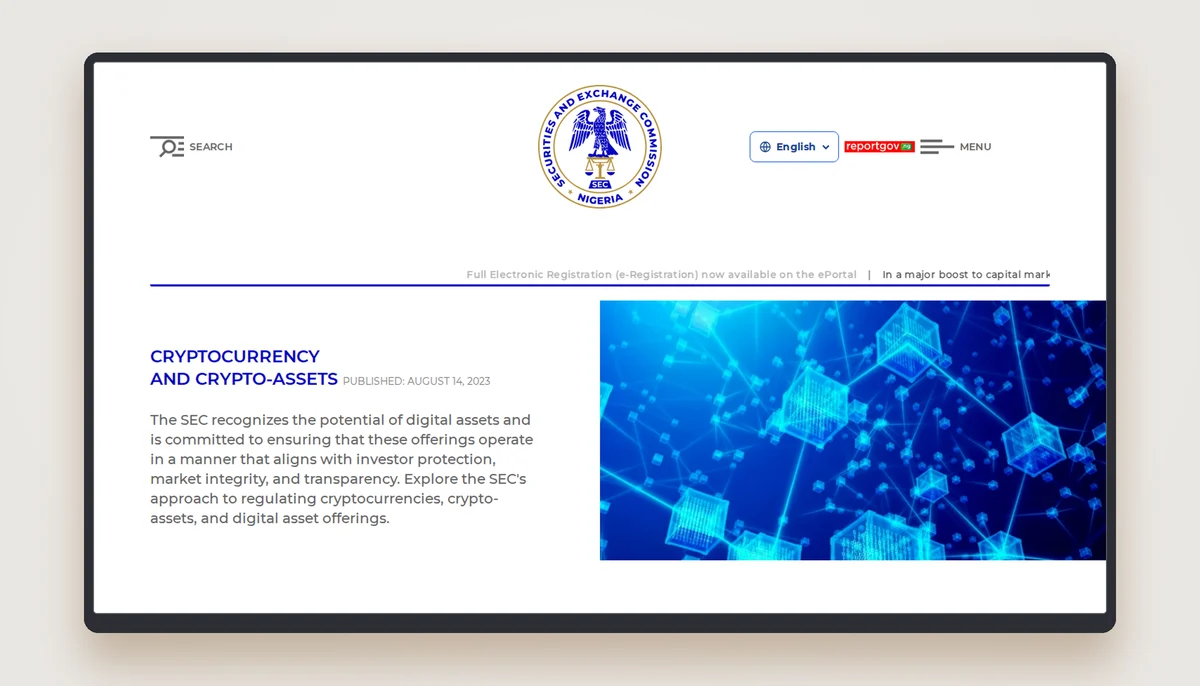
The current Investments and Securities Act brings digital assets and their service providers under the oversight of the Securities and Exchange Commission of Nigeria. That means an operator offering digital assets to the public is expected to be registered with the Commission. This page explains that law in general terms, without stating whether any venue complies.
The Act and digital assets
The Investments and Securities Act is the law that governs the Nigerian capital market. The current version of that Act includes digital assets within its scope. Digital assets are things like cryptocurrencies and tokens that exist electronically and can be transferred, stored or traded. The Act says that digital assets are securities, unless the Commission says otherwise.
That classification means that a person or company offering digital assets to the public is offering securities. Under the Act, offering securities to the public requires registration with the Commission. That is the key change: before the current Act, digital assets were not clearly within the Commission's authority. Now they are.
Service providers are included
The Act does not only cover the assets themselves. It also covers the people and companies that provide services related to digital assets. Those services include exchanges, wallet providers, and platforms that facilitate the buying, selling or trading of digital assets. The Act calls them digital asset service providers.
A digital asset service provider is expected to be registered with the Commission. That means a platform that lets you buy or sell crypto from Nigeria is likely to fall under this requirement. The requirement applies to operators that offer their services to the public in Nigeria, whether they are based in Nigeria or abroad.
What registration means
Registration with the Commission is a formal process. The operator must apply, meet the Commission's requirements, and be entered on the register. The register shows the name of the entity and the category of registration. For digital asset service providers, the category may be specific to digital assets.
Registration does not mean the Commission guarantees the operator. It means the operator has met the Commission's requirements at the time of registration. The Commission can suspend or cancel a registration if the operator fails to meet its obligations. The register is the place to check whether an operator is registered.
The Commission's guidance
The Securities and Exchange Commission has published guidance on crypto-assets. That guidance explains how the Commission intends to regulate digital assets and their service providers. It is not the law itself, but it is the Commission's interpretation of the law. The guidance may change from time to time.
This site does not summarise the guidance in detail. The reader should read the SEC's own page on crypto-assets. The Commission's page is the authoritative source for what it expects from digital asset service providers. This page only states the general legal position under the Act.
What the Act does not say
The Act does not say that every digital asset is a good investment. It does not say that registered operators are safe. It does not say that unregistered operators are automatically unlawful. It sets up a framework for registration and oversight, but it does not remove the risk of loss from digital assets.
The Act also does not say that a platform registered in another country is automatically allowed to operate in Nigeria. A foreign platform offering digital assets to the public in Nigeria is expected to be registered with the Commission. The platform's home registration may not be enough.
What to do before using a digital asset platform
Check the register of the Securities and Exchange Commission of Nigeria. Search for the legal entity name of the platform. If the platform is registered, check the category. Does it cover digital assets? If the platform is not on the register, check the public notices table. The Commission may have issued a notice about the platform.
Then read the platform's terms and risk warnings. Digital assets are volatile. The value can fall sharply. The Commission's registration does not protect you from loss. It only means the operator is within the Commission's oversight. Decide for yourself whether to proceed.
The Act treats digital assets as securities until the Commission says otherwise
The Investments and Securities Act defines securities broadly enough to cover digital assets that behave like investments. The Commission has used that definition to treat crypto tokens as securities unless they are excluded. That means the default position under Nigerian law is that a digital asset is within the Commission's reach. A token does not need to be called a share or a bond for the Act to apply.
The Commission's own rules on digital assets confirm that virtual assets are presumed to be securities. The presumption can be rebutted, but the burden falls on the issuer or the platform. Until a token is clearly outside the definition, a platform dealing in it is expected to register or seek an exemption. The Act does not list every possible digital asset, so the presumption is the working rule.
For a reader checking a platform, this matters because it means the absence of a specific mention of a token in the law does not remove the platform from the Commission's oversight. A platform cannot simply say the asset is new and therefore unregulated. If the asset is offered as an investment, the Act's definition is wide enough to cover it. The Commission's guidance fills in the detail.
Registration does not transfer the duty of care from the platform to the Commission
A registered platform still owes duties to its clients under the Act and under contract. Registration is a precondition for offering certain services, but it does not make the Commission a guarantor of the platform's conduct. The Commission can inspect, sanction, or revoke a registration, but it does not manage the platform's daily operations. The platform remains responsible for its own compliance.
The Commission's role is to set standards and enforce them, not to approve each transaction. A registered platform can still fail, breach a rule, or lose client funds through poor management. The register is a record of registration, not a rating of safety. The Commission does not publish a score for each operator, and registration is not an endorsement of the platform's business model.
For a reader, this means that checking the register is a first step, not a final guarantee. The register tells you that the platform has gone through a registration process. It does not tell you that the platform is currently solvent, honest, or competent. The reader must still assess the platform's own disclosures, history, and conduct.
The Act gives the Commission power to make rules for digital assets without amending the Act
The Investments and Securities Act grants the Commission broad rule-making authority over securities and investment business. The Commission has used that authority to issue rules on digital assets. It does not need a new Act of the National Assembly to regulate a new type of investment product. The rules can be amended by the Commission as the market changes.
The digital asset rules are therefore subordinate legislation. They have the force of law because the Act authorises the Commission to make them. A platform cannot argue that the rules are merely guidance. The rules impose binding obligations, including registration and disclosure requirements. The Commission can enforce the rules through the same powers it uses for other securities violations.
This matters because the legal basis for digital asset regulation is not a single clause that mentions crypto. It is the combination of the Act's general definitions and the Commission's rule-making power. A reader who searches the Act for the word 'crypto' may find nothing. The regulation still exists through the Commission's rules, which are grounded in the Act.
The Central Bank's restrictions on banks do not change the Commission's registration requirement
The Central Bank of Nigeria has issued circulars that restrict banks from facilitating crypto transactions. Those circulars are directed at banks and other financial institutions. They do not repeal the Commission's rules on digital assets. A platform can be required to register with the Commission even while banks are barred from processing its payments.
The two regulators act under different laws. The Central Bank regulates monetary policy and the banking system. The Commission regulates securities and investment business. A platform that deals in digital assets may need to comply with both sets of rules. A bank's refusal to open an account for a platform does not mean the platform is unregistered or unlawful.
For a reader, this means that the Commission's register is not the only regulatory filter. A platform may be on the SEC register but unable to receive naira payments through a Nigerian bank. The reader should treat the Central Bank's restrictions as a separate layer. The register answers only the question of whether the platform is registered with the Commission.
The Act's investor protection provisions apply to digital asset platforms once they are registered
The Investments and Securities Act contains provisions on client money, disclosure, and fair dealing. Those provisions apply to any registered operator, including a digital asset platform. The Commission can require a platform to segregate client assets, keep proper records, and report to the Commission. The platform cannot opt out of these duties by operating online or offshore.
A registered digital asset platform is subject to the same enforcement tools as any other capital market operator. The Commission can suspend a registration, impose a fine, or refer a matter for prosecution. The fact that the platform deals in digital assets does not give it immunity. The Commission's rules on digital assets incorporate the Act's investor protection standards.
The practical consequence is that a registered platform has more obligations than an unregistered one. The reader can reasonably expect a registered platform to maintain client asset segregation and to file reports with the Commission. The register alone does not prove compliance, but it does mean the platform has accepted those obligations. The unregistered platform has not.
How the Act treats tokens that behave like investments
The Investments and Securities Act applies to instruments offered as investments, and its definitions are broad enough to catch many digital tokens. If a token is marketed as a share of a project's future revenue, a right to vote on how a pool of assets is managed, or a claim on a fund's performance, the offer to sell that token may be a securities offering under Nigerian law. The SEC has said it will treat such tokens as securities when their economic substance matches what the Act describes.
The practical test is not what the token is called but what the buyer is promised. A token sold as a voucher for a service that already exists is less likely to fall under the Act than a token sold to raise money for a project that does not yet exist. The SEC looks at whether the buyer's main reason for paying is the hope of profit from the efforts of the issuer or a third party. That is the same logic courts have used for decades for investment contracts.
A token can move from outside the Act to inside it as the project changes. A token that starts as a utility for a live app may later be promoted as a way to share in the app's profits, and at that point the issuer may need to register or seek an exemption. The Commission has warned that issuers cannot avoid the Act simply by adding a utility feature to a scheme that is really about raising capital. The register is one place to check whether an issuer has taken any step with the SEC, but absence from the register is not proof that the token is outside the Act.
Key facts
Read next
Licence questions people send us
Does the Act make all crypto illegal?
No. The Act brings digital assets under the Commission's oversight. It does not ban them. It requires digital asset service providers to be registered with the Commission. An unregistered provider may be acting unlawfully, but the Act does not make the assets themselves illegal.
What is a digital asset service provider?
A digital asset service provider is a person or company that provides services related to digital assets. Examples include exchanges, wallet providers, and platforms that facilitate buying, selling or trading. The Act expects these providers to be registered with the Commission.
How do I check if a platform is registered?
Search the SEC Nigeria register for the platform's legal entity name. The register shows the name and category. If the platform is registered for digital assets, the category should reflect that. If the platform is not on the register, check the public notices table.
Does registration mean my money is safe?
No. Registration means the operator has met the Commission's requirements at the time of registration. It does not guarantee that the operator will not fail or that your money will not be lost. Digital assets are risky. Registration is one factor to consider, not a promise of safety.
Where can I read the Commission's guidance?
The Securities and Exchange Commission of Nigeria has a page on crypto-assets on its website. That page contains the Commission's guidance. This site does not reproduce it. The reader should read the Commission's own page for the authoritative text.
Open an account with FxPro
FxPro is an international broker offering CFDs on currencies, metals, indices, shares and crypto. CFDs are leveraged and carry a high risk of losing the money deposited. This site is not the broker and takes no money from you.